
The concept of preventative maintenance is often viewed as a chore or an unnecessary expense by many vehicle owners. However, when viewed through the lens of long-term financial planning, it is one of the most effective ways to protect your wealth and ensure your personal safety. The automotive world is governed by a simple rule: small problems left unaddressed eventually become massive, expensive failures. The cost of neglect is not just the price of the part that eventually breaks. It includes the cost of emergency towing, the loss of time, and the collateral damage caused when one failing component puts undue stress on everything around it.
The Foundation of Mechanical Longevity
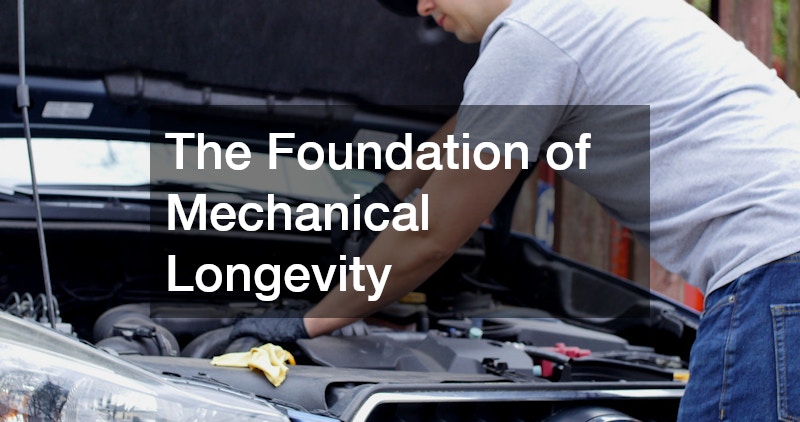
Every vehicle is a complex harmony of moving parts, heat, and friction. The primary goal of any maintenance schedule is to minimize the friction that leads to heat, which is the ultimate enemy of internal combustion engines and transmissions. A rigorous schedule ensures that lubricants are fresh and that seals are holding, which prevents the slow “bleeding” of a vehicle’s lifeblood.
Consistency is the most important factor in this process. By following the manufacturer’s suggested intervals for oil changes and belt inspections, you are essentially buying insurance against engine seizure. A regular auto repair visit at a reputable shop allows a professional to look for leaks or fraying wires that you might miss during a casual glance under the hood.
Beyond the engine, the cooling system requires constant vigilance. Radiators and hoses are prone to cracking after years of heat cycles. Catching a small coolant leak during a routine inspection is a minor fix, whereas an overheated engine can warp a cylinder head, leading to expenses that often exceed the actual value of an older vehicle.
Protecting the Bed and Cargo Area
For truck owners, the utility of the vehicle is often found in its ability to haul heavy, abrasive materials. The metal surface of a truck bed is constantly exposed to the elements and the physical impact of cargo. Once the paint is scratched and the bare metal is exposed to moisture, rust begins to form almost immediately, spreading beneath the surface like a hidden disease.
Applying high-quality truck bed liners is a proactive step that pays for itself ten times over. These protective coatings prevent chemical spills and physical gouges from reaching the steel, ensuring that the structural integrity of the bed remains intact for the entire life of the truck.
Furthermore, protecting the bed also means protecting what you carry. If you frequently transport tools or expensive equipment, you should consider the added security of a specialized enclosure. Installing a sturdy truck top keeps your gear dry and out of sight, while also improving the aerodynamics of the vehicle, which can lead to slight but consistent savings at the fuel pump over several years.
Strategic Equipment Acquisition and Care
In the world of hauling and transport, owning the right equipment is just as important as maintaining it. Many people rush into buying brand-new trailers without realizing that the secondary market offers incredible opportunities for those who know how to spot quality. A well-built piece of equipment can last for thirty years if it is stored properly and serviced regularly.
When browsing the inventory of local trailer dealers, you should look for signs of consistent upkeep rather than just aesthetic appeal. A dealer who can provide service records or point out recently replaced bearings and tires is offering a much more valuable product than one who simply offers a lower price on a neglected unit.
The value proposition of used trailers is hard to beat for a budget-conscious consumer. By purchasing a pre-owned unit and immediately performing a “baseline” service—flushing the brakes and repacking the wheel bearings—you can own a reliable hauling solution for a fraction of the cost of a new model.
- Check tire pressure and tread depth every month.
- Inspect the floorboards for soft spots or rot.
- Test all lighting and electrical connections before every trip.
- Lubricate the hitch and coupler regularly to prevent binding.
Ensuring Safety for Specialty Transport
Specialized vehicles, such as those designed for accessibility, require a higher level of scrutiny because their failure can mean a total loss of independence for the user. These vehicles utilize complex electronic ramps and hydraulic kneeling systems that are far more sensitive than standard automotive components.
Maintenance for a wheel chair accessible van must include a thorough cleaning of the ramp tracks and an inspection of the backup manual deployment system. Debris like gravel or salt can easily jam a motorized ramp, leading to a motor burnout that costs thousands of dollars to replace.
If you find yourself needing to transport heavy mobility equipment but your primary vehicle isn’t equipped for it, you might look into a local flatbed trailer rental to handle the job safely. This allows you to move heavy loads without exceeding the weight limits of your van’s suspension, which is a common cause of expensive frame damage.
The Critical Importance of Trailer Integrity
Trailers are often the most neglected assets in a fleet because they don’t have engines, yet they carry the highest risk during a failure. A seized bearing on a trailer can cause a wheel to lock up at highway speeds, leading to a dangerous jackknife situation.
Routine trailer repair is focused heavily on the “running gear,” which includes the axles, hubs, and suspension. By greasing your zerks every few thousand miles, you ensure that the metal-on-metal contact is cushioned by a layer of protective lubricant, preventing the heat buildup that causes hubs to fail.
- Inspect safety chains for stretched links or rust.
- Check the breakaway switch battery to ensure it is charged.
- Look for cracks in the welds of the tongue and frame.
- Verify that the leaf spring bushings are not cracked or missing.
RV and Camper Envelope Maintenance
A recreational vehicle is a significant investment that combines the complexities of a vehicle with the vulnerabilities of a house. The biggest threat to an RV is water. A tiny gap in a seam can allow rain to seep into the walls, where it rots the wooden framing and creates a breeding ground for mold.
One of the most vital tasks for any camper owner is a yearly RV roof service to check the integrity of the lap sealant around vents and air conditioning units. These sealants dry out and crack over time due to sun exposure, so refreshing them is a low-cost way to avoid a total roof replacement.
If a leak is detected, it is imperative to act immediately. Delaying even minor RV repairs can result in the delamination of the exterior fiberglass walls. Once delamination begins, the structural integrity of the camper is compromised, and the resale value of the unit drops by more than half.
- Clean the roof membrane with specialized non-petroleum cleaners.
- Check window seals for shrinkage or gaps.
- Inspect the underside of the unit for rodent damage to wiring.
- Test the onboard propane detectors and smoke alarms monthly.
The Economic Benefits of the Professional Relationship
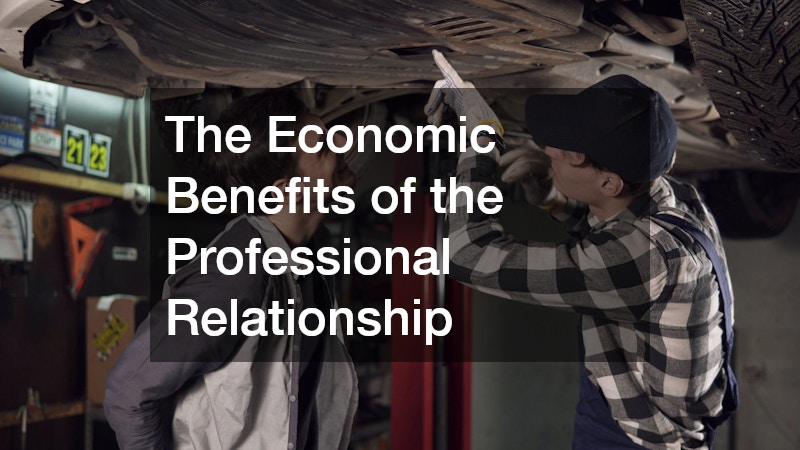
While DIY maintenance is great for small tasks, building a relationship with a professional shop is where the real savings happen. A mechanic who sees your vehicle twice a year starts to understand its “personality.” They can tell when a noise is new or when a certain component is wearing faster than it should.
This professional oversight helps you plan for expenses rather than being surprised by them. If a technician tells you that your brakes have 20 percent life left, you have months to shop for parts or save the money, rather than being forced to pay whatever price a shop quotes you when your pads are grinding against the rotors.
Why Quality Parts Matter in the Long Run
It is often tempting to buy the cheapest possible replacement parts when something breaks. However, the labor cost to install a part is usually the same whether the part is high-quality or a cheap imitation. If a cheap water pump fails after only a year, you have to pay the labor costs all over again.
Investing in original equipment manufacturer parts or high-end aftermarket brands ensures that the repair lasts. This philosophy extends to everything from oil filters to spark plugs. A high-quality filter traps more contaminants, keeping your oil cleaner and extending the time between necessary engine services.
Environmental Factors and Storage
How you store your vehicle is just as important as how you drive it. Vehicles left sitting in tall grass are prone to rust on the undercarriage and chewed wires from nesting rodents. Whenever possible, parking on a paved or gravel surface—or better yet, under a carport—will extend the life of all rubber components and the paint job.
Sun damage is another silent killer. Dashboard plastics and leather seats will crack and fade if left in direct sunlight for years. Using a simple sunshade or applying UV protectants to the interior surfaces is a nearly free way to maintain the interior’s aesthetic and functional value.
Creating a Maintenance Mindset
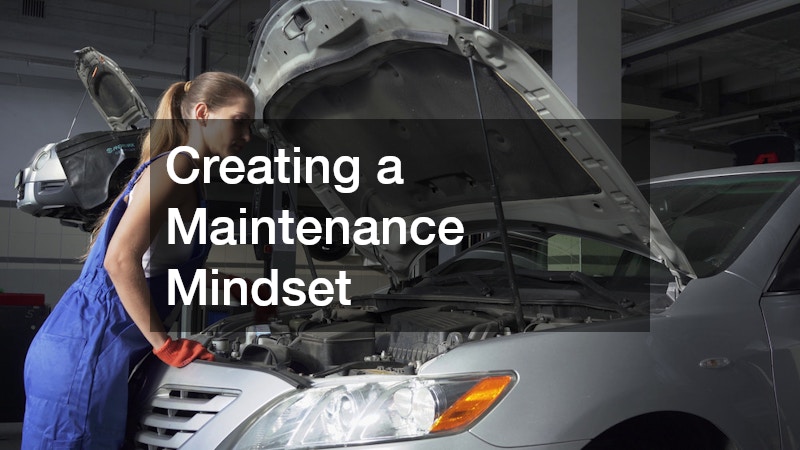
The transition from a “reactive” owner to a “proactive” owner requires a shift in mindset. Instead of seeing a strange noise as something to be ignored until it goes away, see it as the vehicle’s way of communicating. Listening to your vehicle allows you to catch problems in their infancy.
Keep a dedicated folder in your glovebox for all receipts and service records. Not only does this help you keep track of what has been done, but it also serves as a powerful tool when it comes time to sell. A buyer is much more likely to pay a premium price for a vehicle that comes with a thick stack of maintenance records, as it proves the car has been loved and cared for.
Planning for Major Milestones
Every vehicle has major service milestones, often at the 60,000 and 100,000-mile marks. These often involve expensive tasks like replacing timing belts, water pumps, or transmission flushes. Many people choose to sell their cars right before these milestones to avoid the cost.
However, if you perform the service, you are essentially “resetting the clock” on the vehicle’s reliability. The cost of a 100,000-mile service is usually much less than the down payment on a new car and the subsequent years of monthly payments. Sticking with a vehicle you know and have maintained is almost always the smarter financial move.
- Flush the brake fluid every two years to remove moisture.
- Replace cabin air filters to protect the HVAC blower motor.
- Rotate tires every 5,000 miles to ensure even wear.
- Clean the battery terminals to prevent voltage drops.
The Safety Connection
Finally, we must discuss the most important reason for maintenance: human life. Mechanical failures at high speeds are terrifying and often avoidable. A blowout caused by an old, dry-rotted tire or a brake failure caused by contaminated fluid can have life-altering consequences. When you maintain your vehicle, you aren’t just saving money; you are protecting yourself, your family, and everyone else on the road.
A well-maintained vehicle responds predictably in an emergency. The suspension will be firm enough to handle a sudden swerve, and the brakes will have the bite necessary to stop before an impact. This peace of mind is something that no amount of money can truly replace.
While the initial cost of a protective coating, a roof seal, or a professional inspection might feel like an extra expense, these are the shields that guard your bank account against the volatility of the automotive repair market. By taking pride in the ownership of your equipment and treating each vehicle as a long-term investment, you ensure that it remains a reliable partner in your daily life. Whether you are hauling cargo across the state or taking your family on a summer road trip, a proactive maintenance strategy is the most effective tool you have. Start today by looking over your records, scheduling that overdue inspection, and making the choice to be an owner who values prevention over repair. Your future self and your wallet will certainly thank you for the effort.
