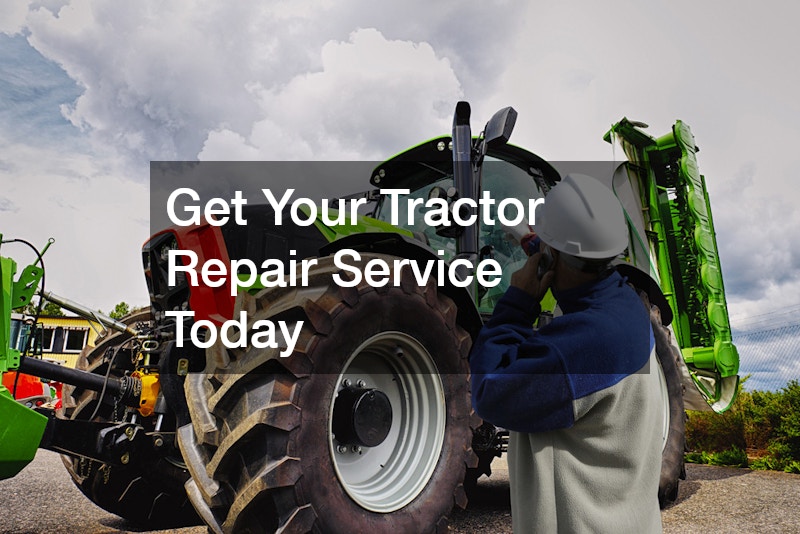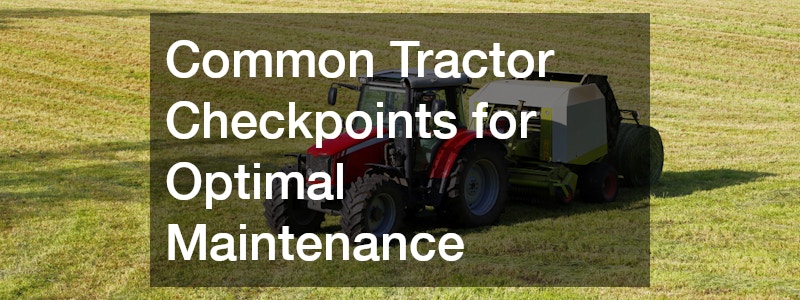

Keeping a tractor in reliable working condition requires consistent inspections and preventative care. Whether used for farming, landscaping, construction, or property maintenance, tractors experience heavy workloads that can lead to wear and performance issues over time. Following routine maintenance checkpoints helps operators identify small concerns before they become expensive repairs. When problems require professional attention, experienced technicians who provide tractor repair services can help restore equipment performance and extend the lifespan of valuable machinery.
Regular maintenance does not need to be complicated, but it does require consistency. By checking key systems before and after use, tractor owners can improve efficiency, reduce downtime, and maintain safer operating conditions.
A proactive approach ensures that every component continues working properly, even during demanding tasks.
Inspect Engine Components And Fluid Levels
The engine is one of the most important areas to monitor during tractor maintenance. Before operating the equipment, operators should check engine oil levels and inspect the oil for signs of contamination or unusual discoloration. Clean oil helps lubricate moving parts, reduces friction, and prevents excessive engine wear.
Coolant levels should also be checked regularly, especially during periods of heavy use or extreme temperatures. An overheating engine can cause serious damage, so maintaining the proper coolant level is essential. Operators should also inspect hoses, belts, and connections for cracks, leaks, or signs of deterioration.
Fuel system maintenance is another important checkpoint. Dirty fuel filters or contaminated fuel can reduce engine performance and make starting more difficult. Replacing filters according to manufacturer recommendations helps maintain proper fuel flow and supports efficient operation.
Evaluate Tires, Brakes, And Steering Systems
A tractor’s tires play a major role in safety, stability, and overall performance. Inspect tires regularly for uneven wear, cracks, punctures, and improper inflation. Tires with low pressure can reduce traction and increase fuel consumption, while overinflated tires may provide less stability on uneven surfaces.
Checking tire condition is especially important for tractors used in fields, rough terrain, or heavy-duty applications. Properly maintained tires allow equipment to handle loads more effectively and reduce unnecessary strain on other components.
Brake systems and steering controls should also be inspected frequently. Operators should make sure brakes respond properly and that steering feels consistent during operation. Loose steering components, unusual noises, or delayed braking should never be ignored. Addressing these issues early can prevent accidents and more extensive mechanical failures.
For tractors showing signs of reduced performance, unusual sounds, or handling problems, scheduling tractor repair services can help identify the underlying cause and prevent further damage.
Maintain Hydraulic Systems And Attachments
Hydraulic systems allow tractors to operate a wide range of attachments and perform essential tasks. Because hydraulic components often handle significant pressure, regular inspections are necessary. Operators should check hydraulic fluid levels, examine hoses for leaks, and look for damaged fittings or connections.
Low hydraulic fluid or damaged hoses can affect lifting capacity and attachment performance. Ignoring hydraulic issues may result in equipment failure or unsafe operating conditions. Replacing worn components promptly helps maintain reliable performance and prevents costly interruptions.
Attachments should also be inspected as part of a regular maintenance routine. Blades, loaders, buckets, and other equipment should be checked for loose bolts, cracks, and excessive wear. Keeping attachments in good condition improves productivity and reduces strain on the tractor itself.
Follow A Routine Cleaning And Inspection Schedule
Cleaning a tractor regularly is an important part of preventative maintenance. Dirt, mud, and debris can collect around mechanical components and contribute to corrosion or overheating. Washing the equipment after heavy use and removing buildup from key areas helps protect important systems.
Operators should also perform visual inspections before each use. Look for leaks, loose parts, damaged wiring, and any changes in performance. A quick walk-around inspection can reveal issues that may otherwise go unnoticed.
Keeping maintenance records is another helpful practice. Tracking oil changes, filter replacements, repairs, and inspections allows owners to stay organized and identify recurring problems. Detailed records can also help technicians diagnose issues more efficiently when professional service is needed.
Protect Your Investment With Preventative Care
A tractor is a major investment, and proper maintenance is essential for protecting its value and reliability. Routine checkpoints involving fluids, tires, hydraulic systems, and attachments help ensure equipment remains ready for daily tasks. Preventative care reduces unexpected breakdowns, improves efficiency, and supports safer operation.
When maintenance concerns go beyond basic inspections, professional tractor repair services can provide the expertise needed to address mechanical problems and keep equipment operating at its best. By combining regular checks with timely repairs, tractor owners can maximize performance and enjoy dependable service for years to come.